Technical Details
- TypologyCommercial, Mixed-Use
- StatusWork in progress
- LocationPodgorica, Montenegro
- Year2025
- Size8,400 m²
- ScopeArchitecture, Exterior Design, Urban Planning, Interior Desgin
Concept
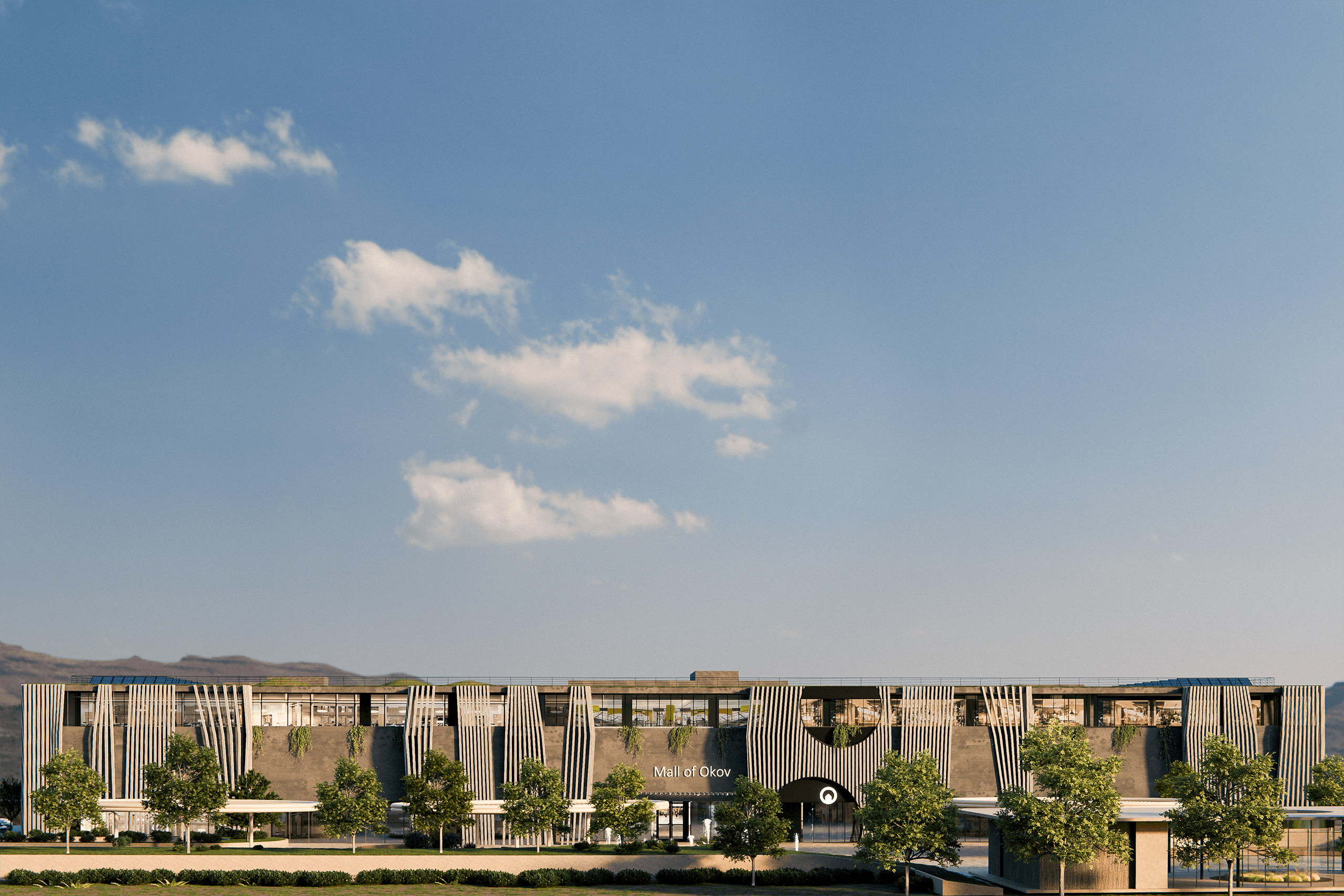
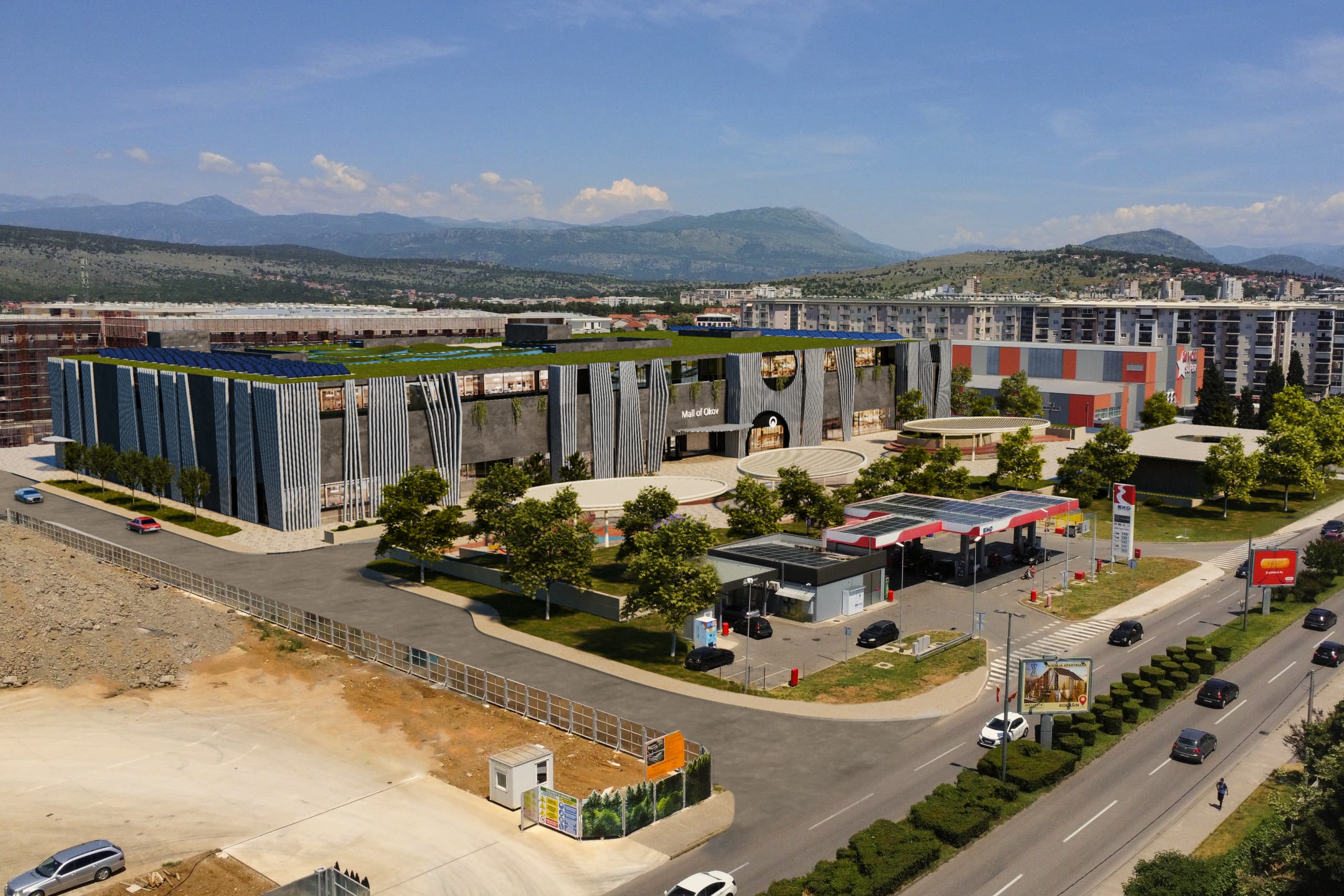
The project is conceived as a contemporary mixed-use complex that combines a shopping center, public square, and cultural pavilion into a unified urban composition. Located within a new residential district in Podgorica, the development redefines the traditional retail typology by integrating commercial, cultural, and social programs into one cohesive environment.
The architectural concept is based on the contrast between the monolithic volume of the shopping center and the openness of the surrounding public space. Together, the buildings create a new urban landmark and gathering point for the neighborhood.
Purpose
The project aims to create a multifunctional urban destination that responds equally to commercial, cultural, and social needs. Rather than functioning solely as a shopping facility, the complex is designed as an active public environment for everyday interaction, events, and cultural activities.
The inclusion of the cultural pavilion introduces additional civic value, expanding the identity of the development beyond retail and establishing a stronger connection with the local community.
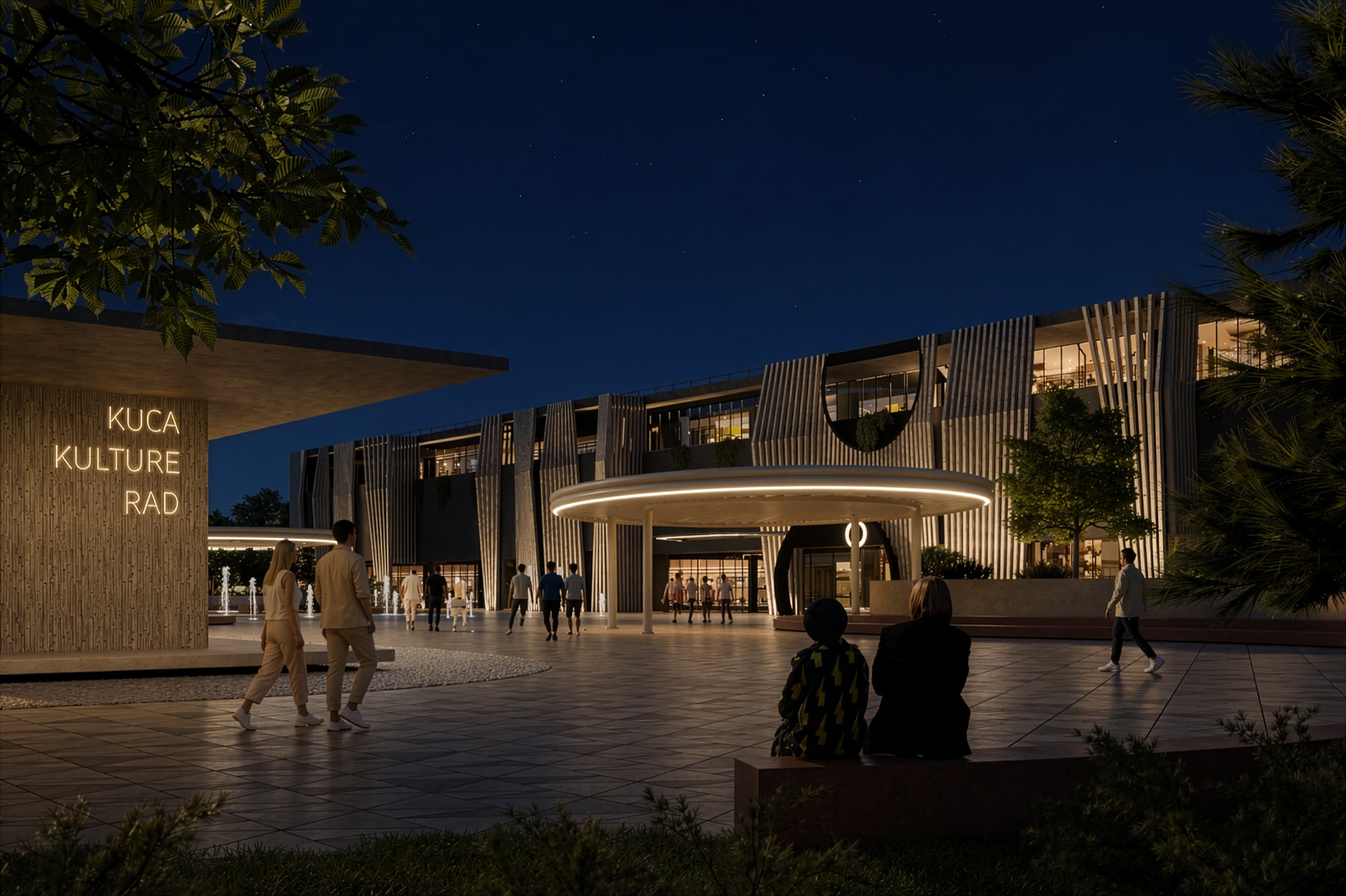
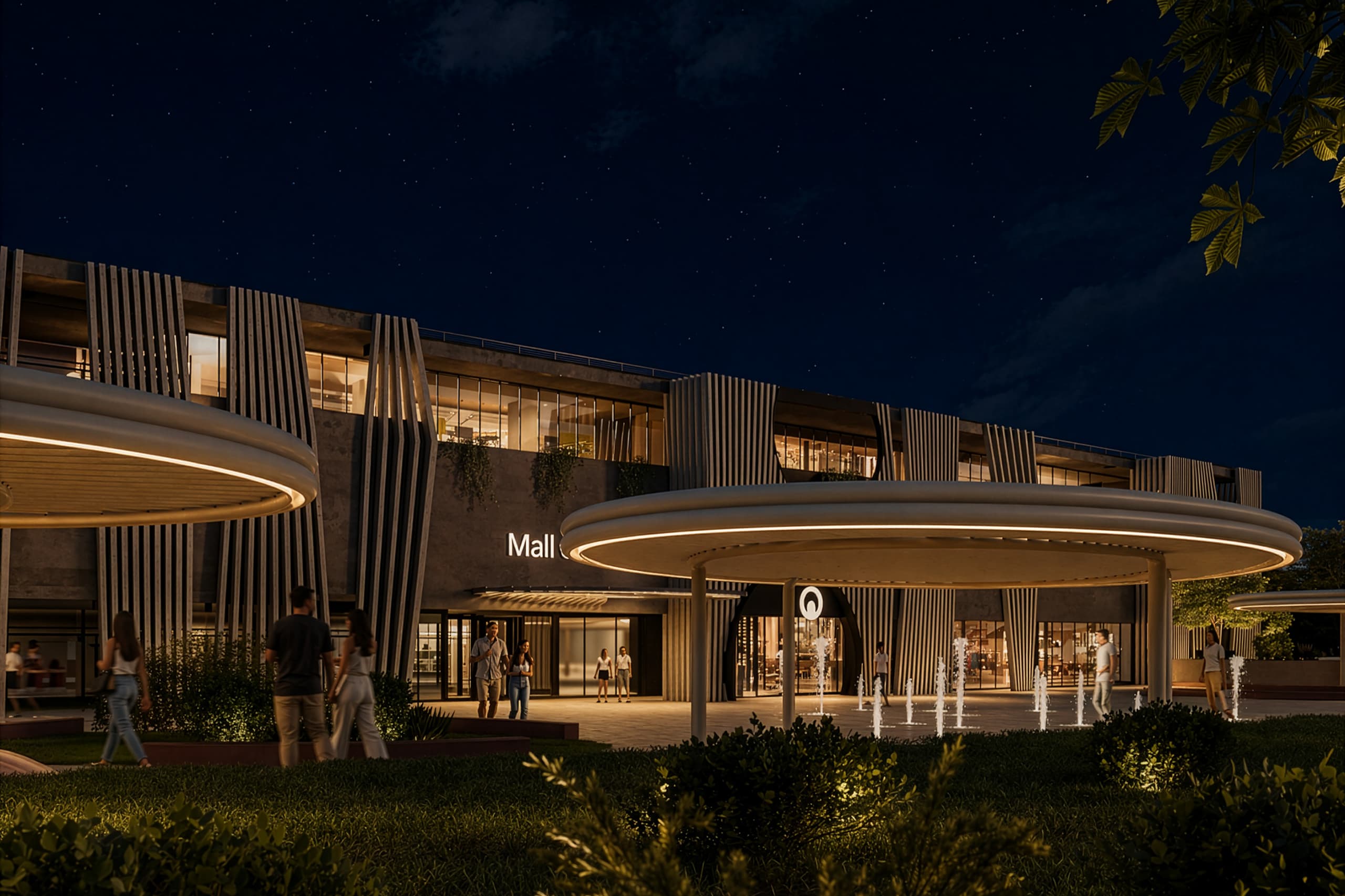
Square
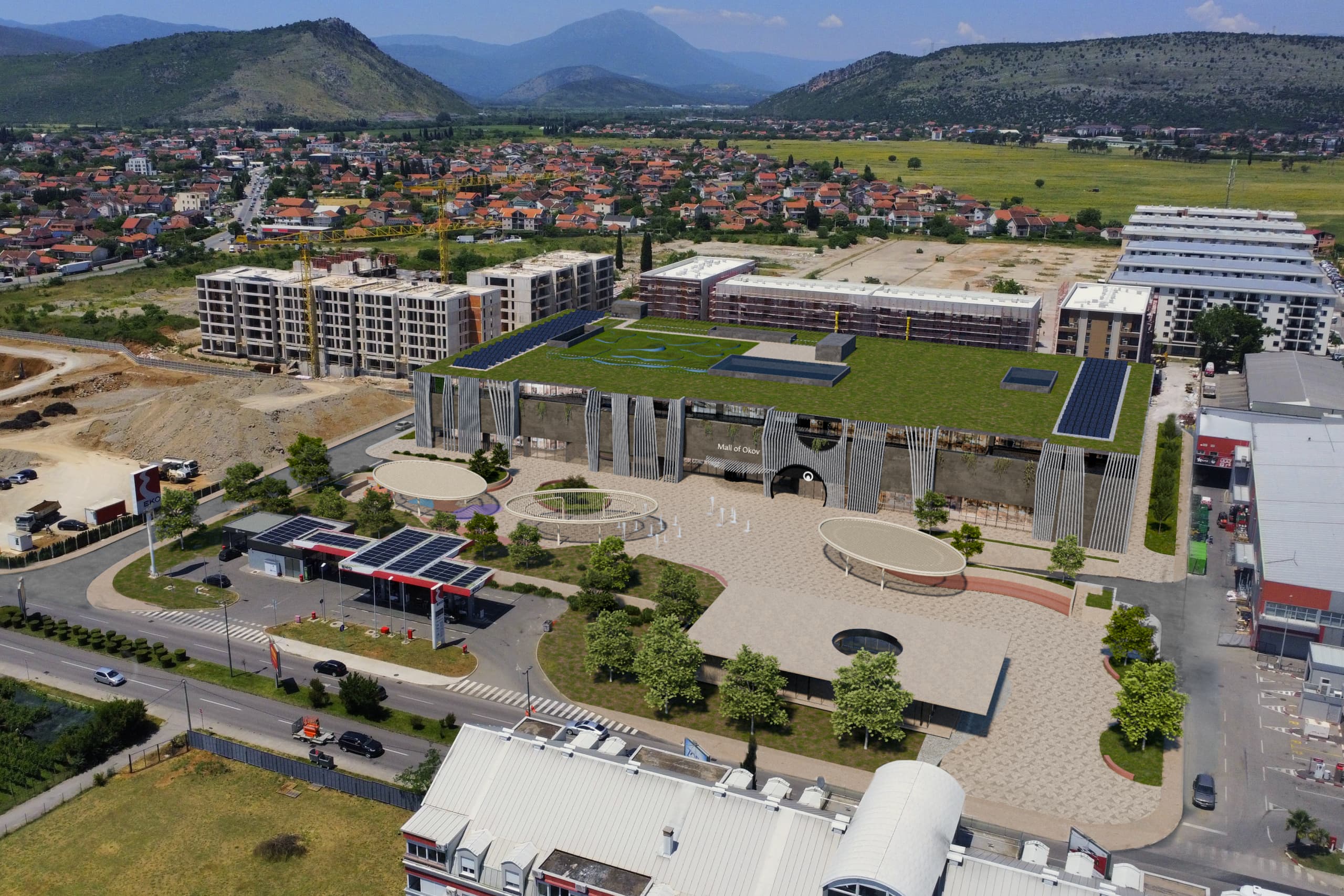
The square is conceived as an open and highly permeable public landscape that supports multiple layers of urban activity. Rather than functioning solely as a circulation surface, it becomes an active social platform capable of hosting events, gatherings, and everyday encounters.
The spatial organization balances open flexible areas with smaller intimate zones defined through greenery, seating, and shaded structures. This creates an environment that continuously shifts between movement and pause, openness and enclosure, activity and relaxation.
Its integration with both the shopping center and the cultural pavilion establishes the square as the primary social condenser of the entire development.
House of culture ''RAD''
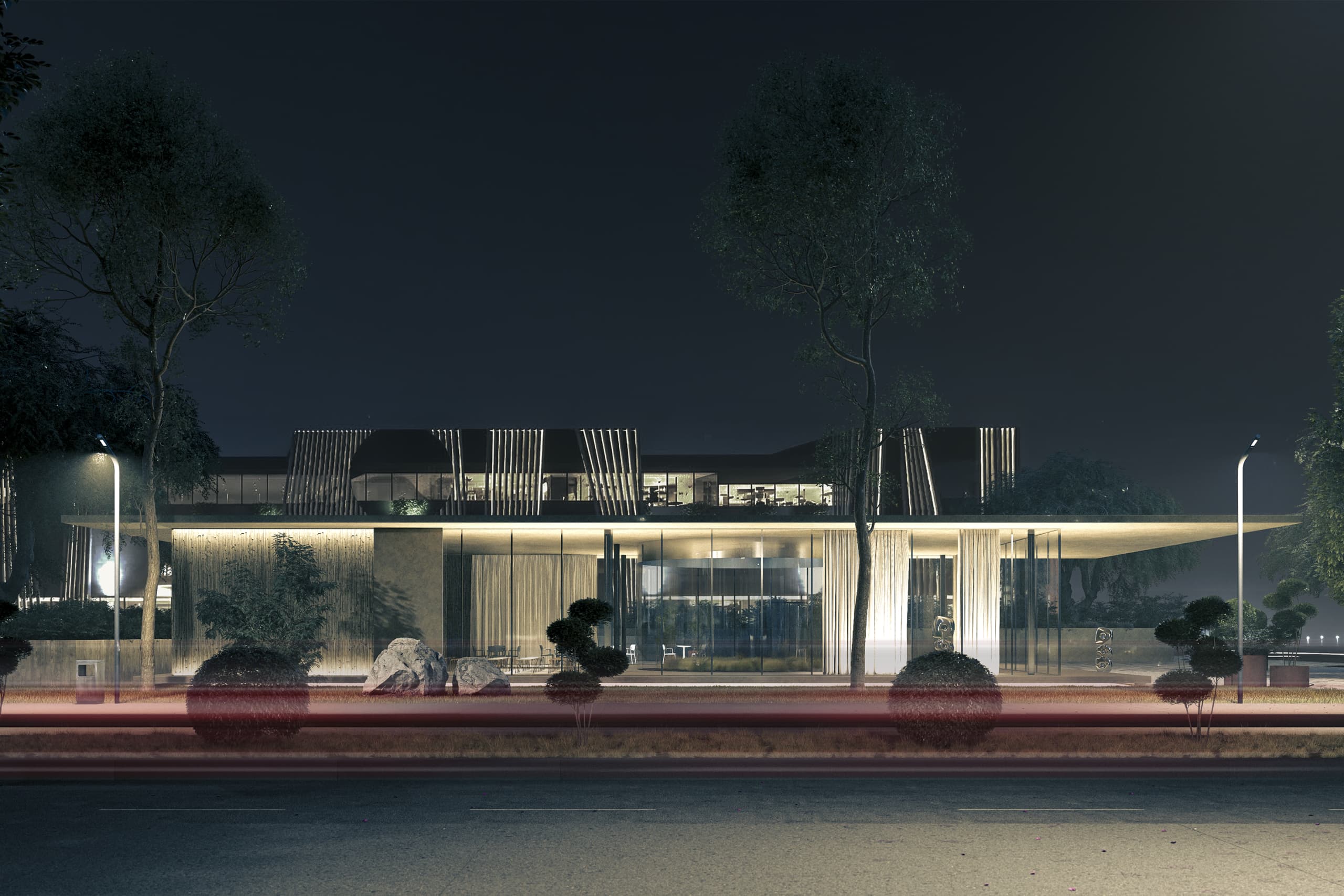
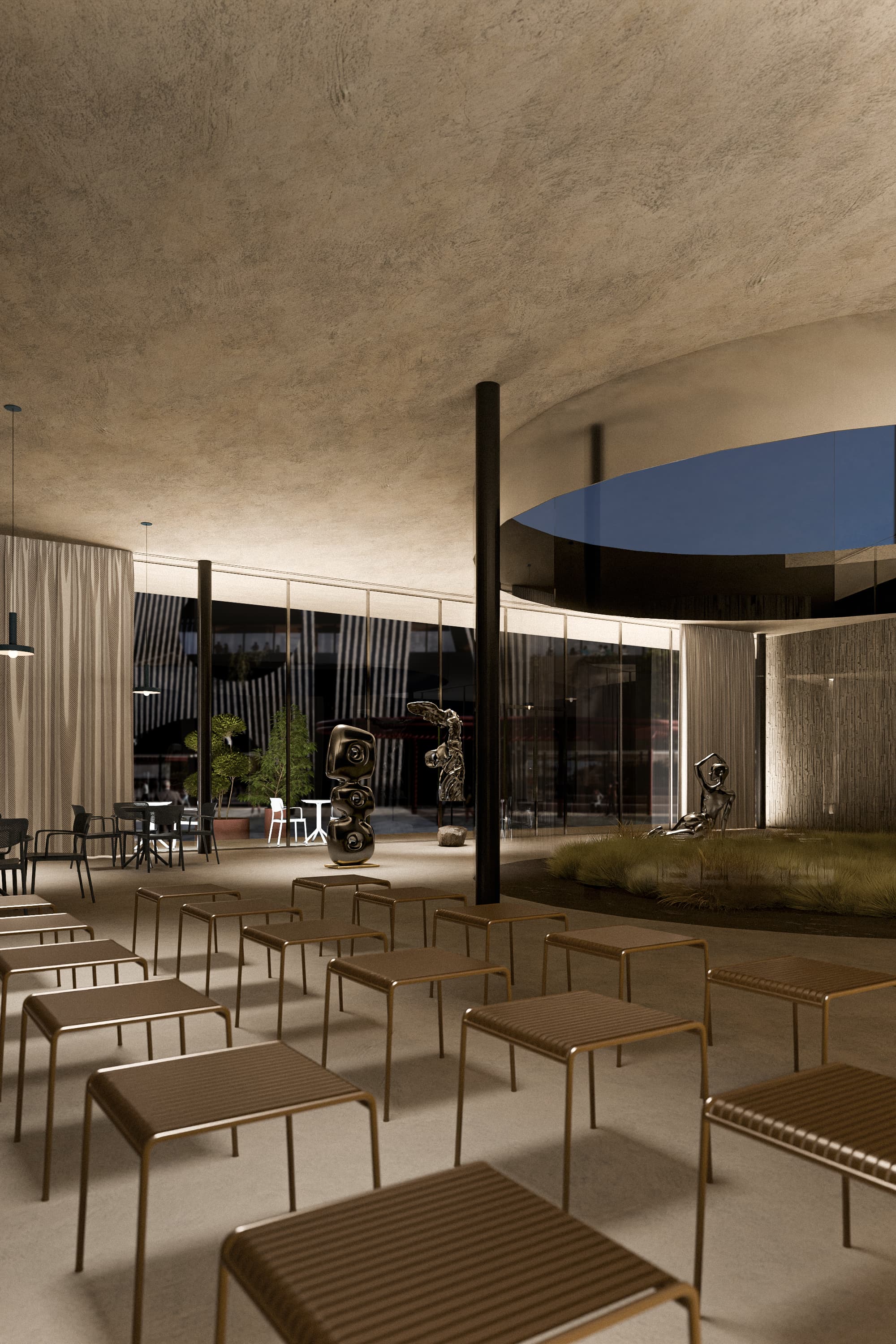
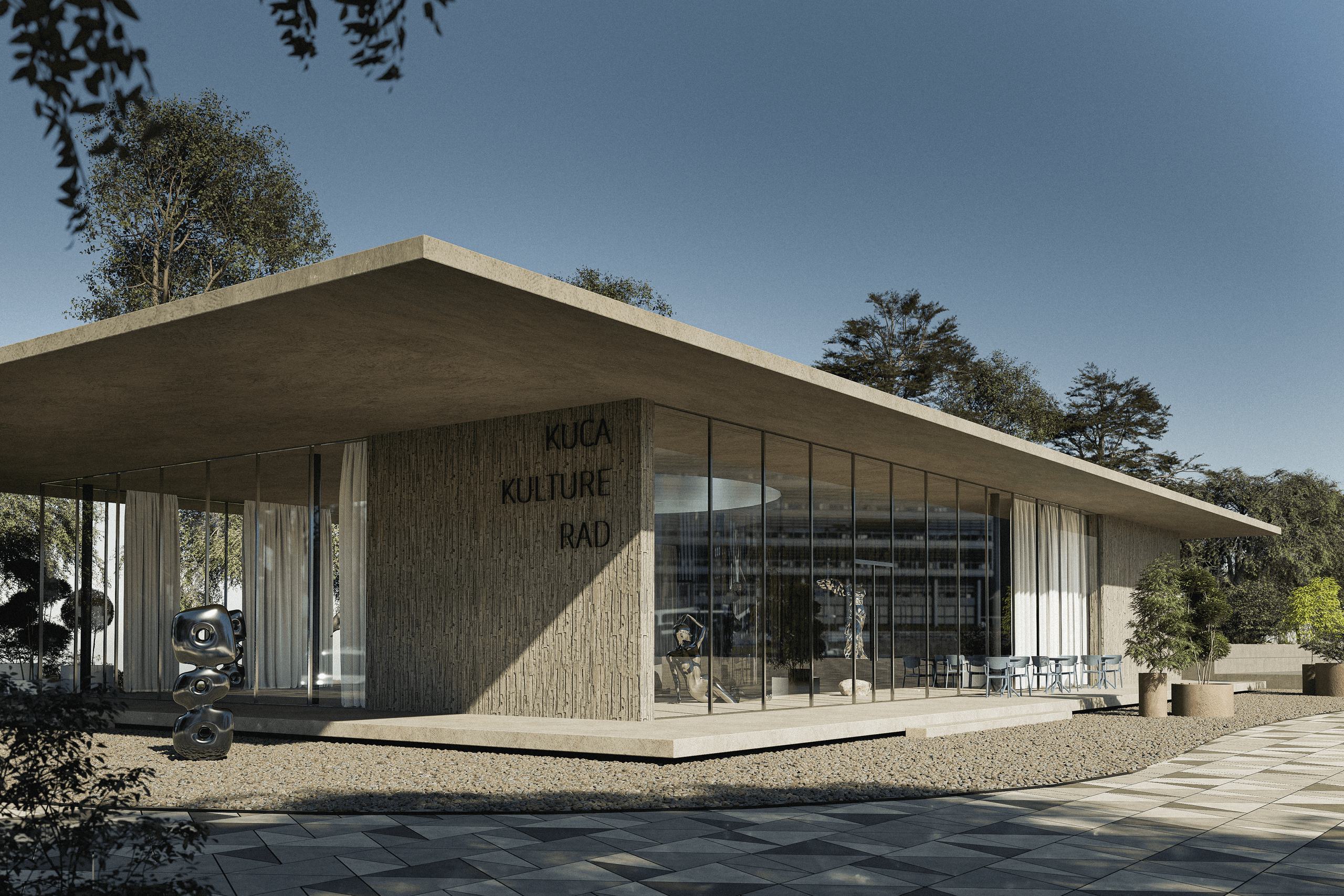
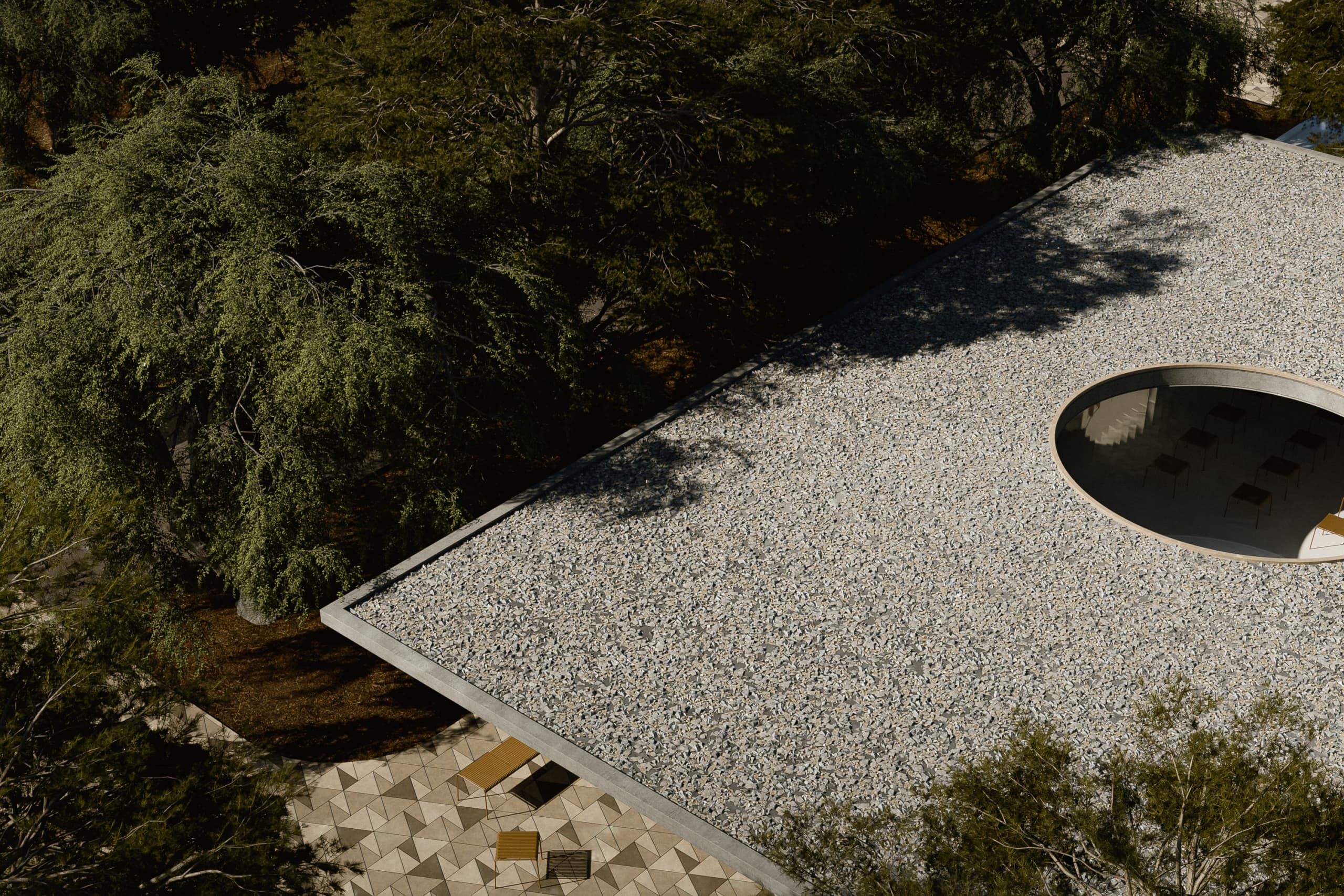
The House of Culture RAD is envisioned as a flexible cultural pavilion dedicated to exhibitions, workshops, screenings, educational programs, and artistic events. Architecturally, the pavilion is conceived as a restrained and transparent volume organized around a central circular atrium that introduces light, reflection, and spatial intimacy into the interior.
Inspired by the principles of modernist pavilion architecture, the building appears as a light floating structure defined by minimal structural elements and strong continuity between interior and exterior space. The reflective atrium acts as the conceptual and atmospheric core of the project, transforming changing daylight conditions into an active architectural experience.
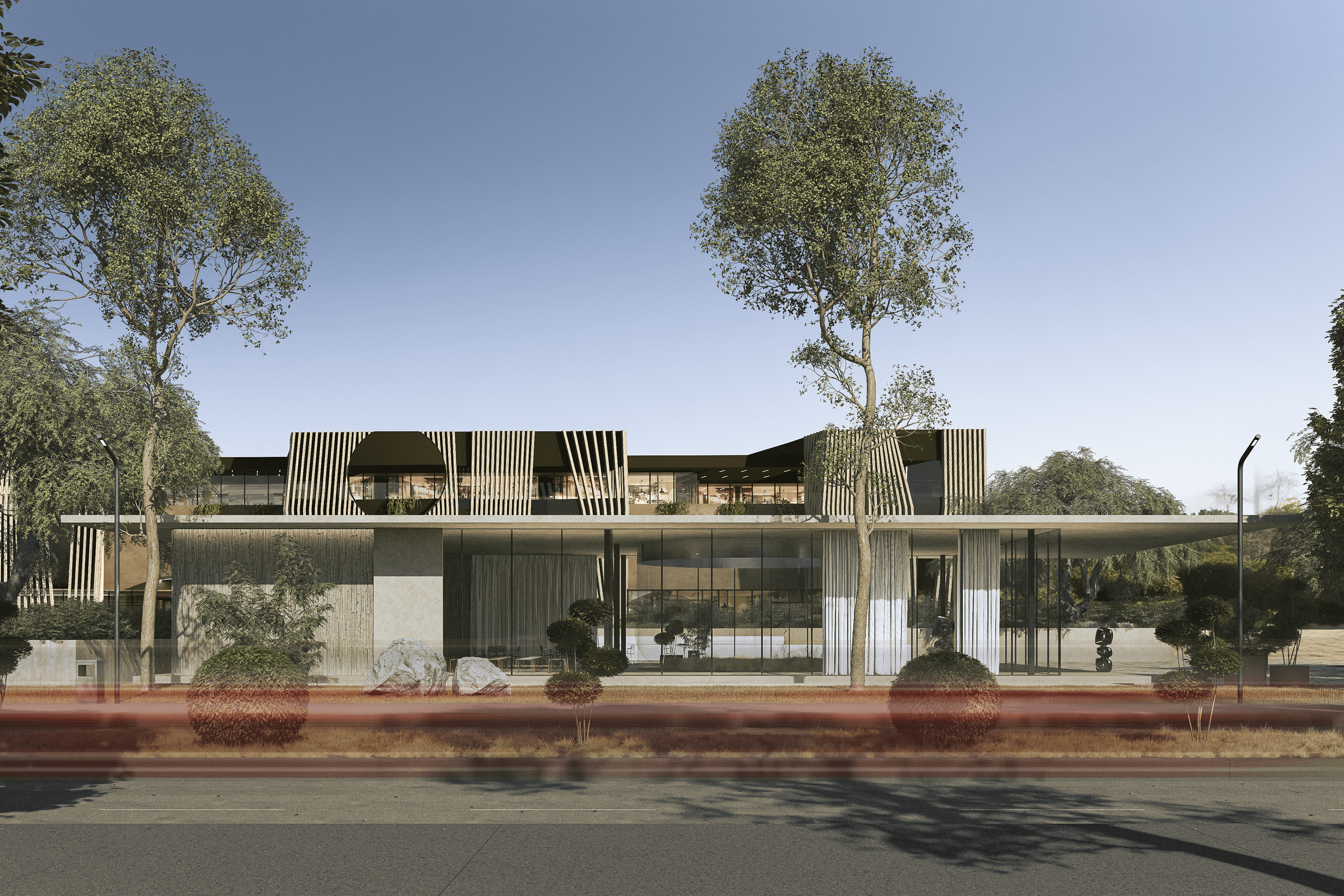
Positioned at the intersection between the public square and the city boulevard, the pavilion becomes both a cultural anchor and an urban invitation — a spatial threshold that connects public life, art, and everyday movement.
Materials
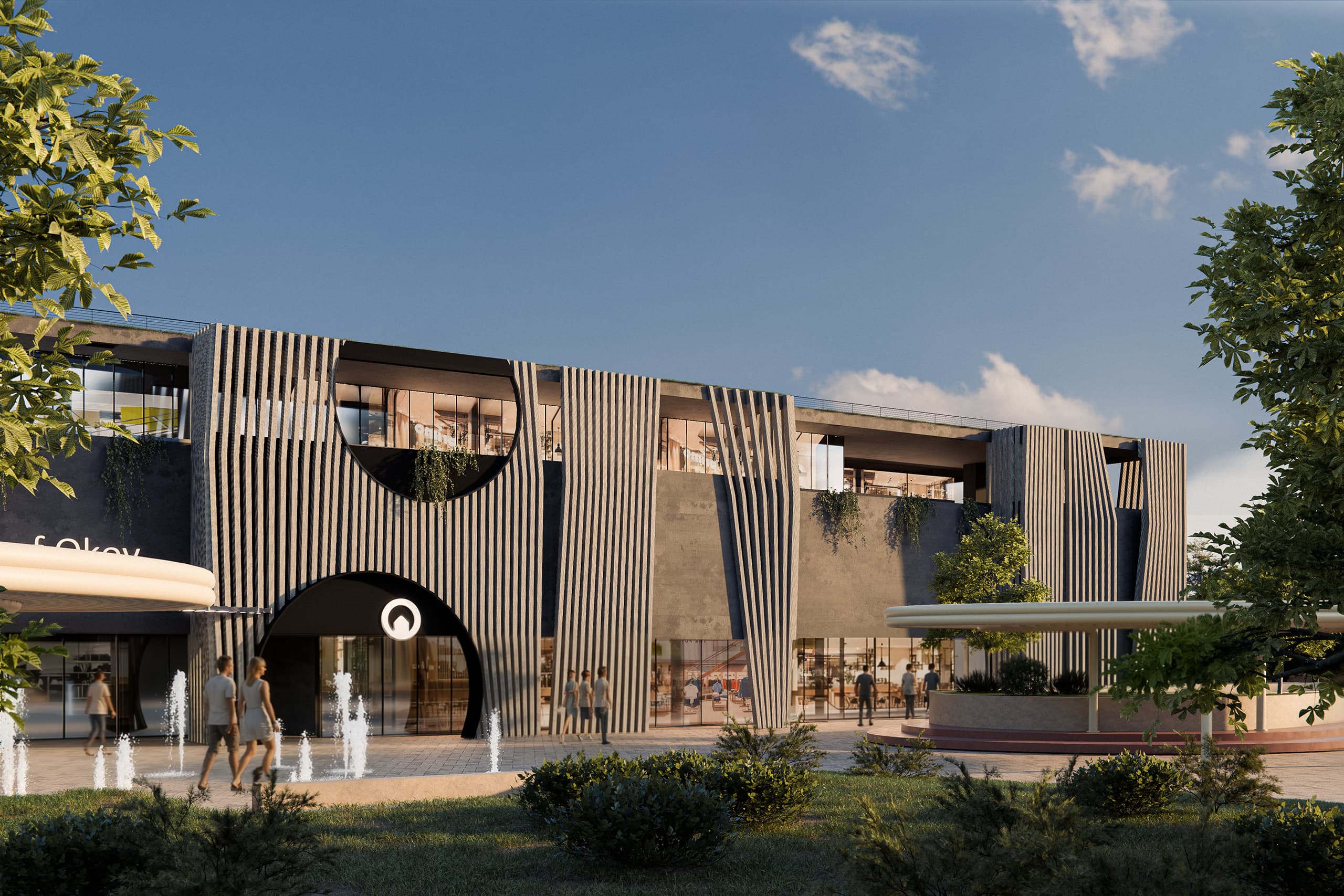
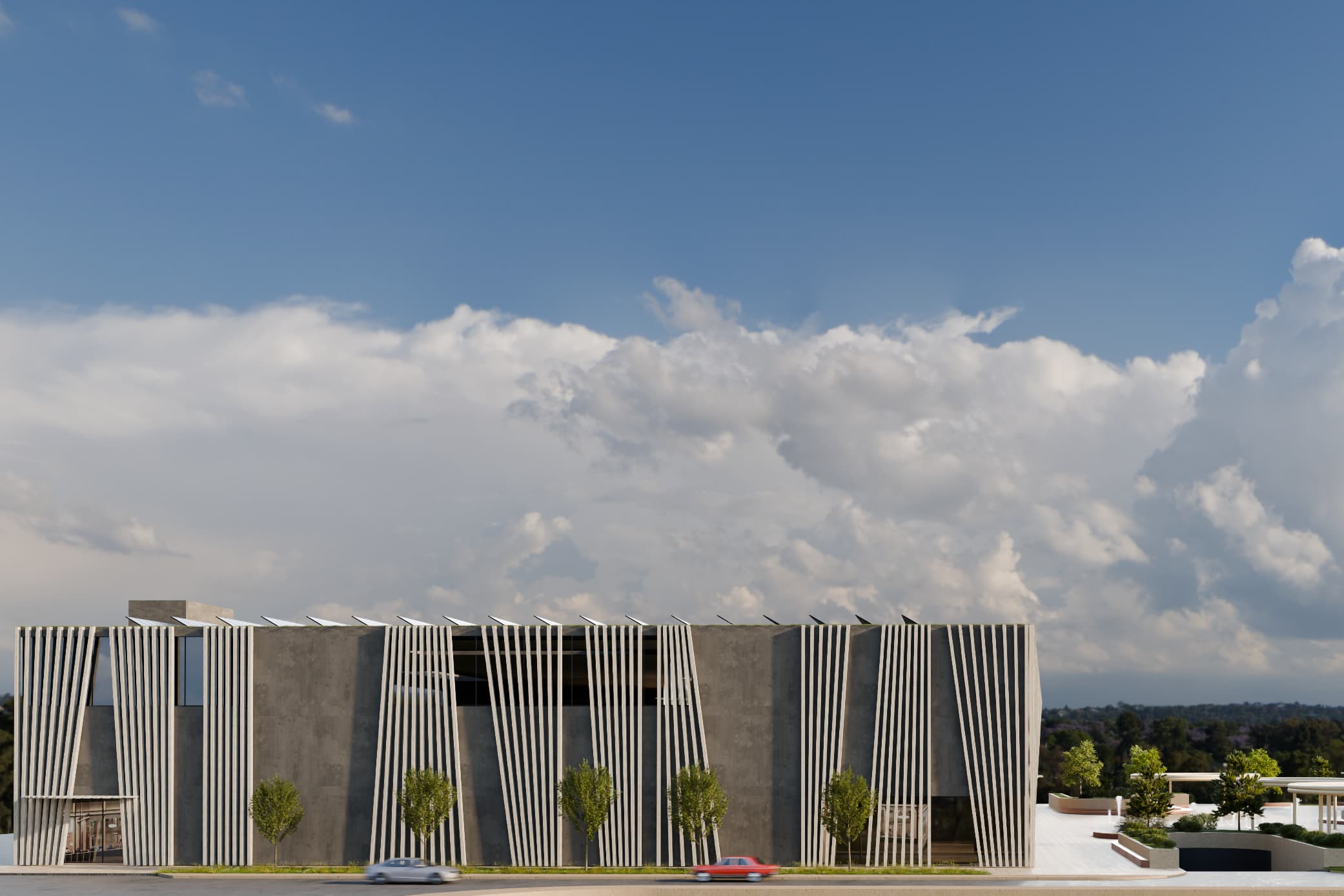
The shopping center is defined by a dark concrete volume wrapped with a secondary layer of light concrete ribs. This facade system introduces rhythm, depth, and shadow while acting as passive solar protection adapted to the Montenegrin climate.
The varying angles and heights of the facade fins abstractly reference the silhouette of Montenegro’s mountain landscapes, creating a strong visual identity rooted in local context.
In contrast, the cultural pavilion adopts a lighter architectural expression with transparent glazed surfaces, minimal structural elements, and a reflective circular atrium that becomes the central spatial feature of the building.
Public Space
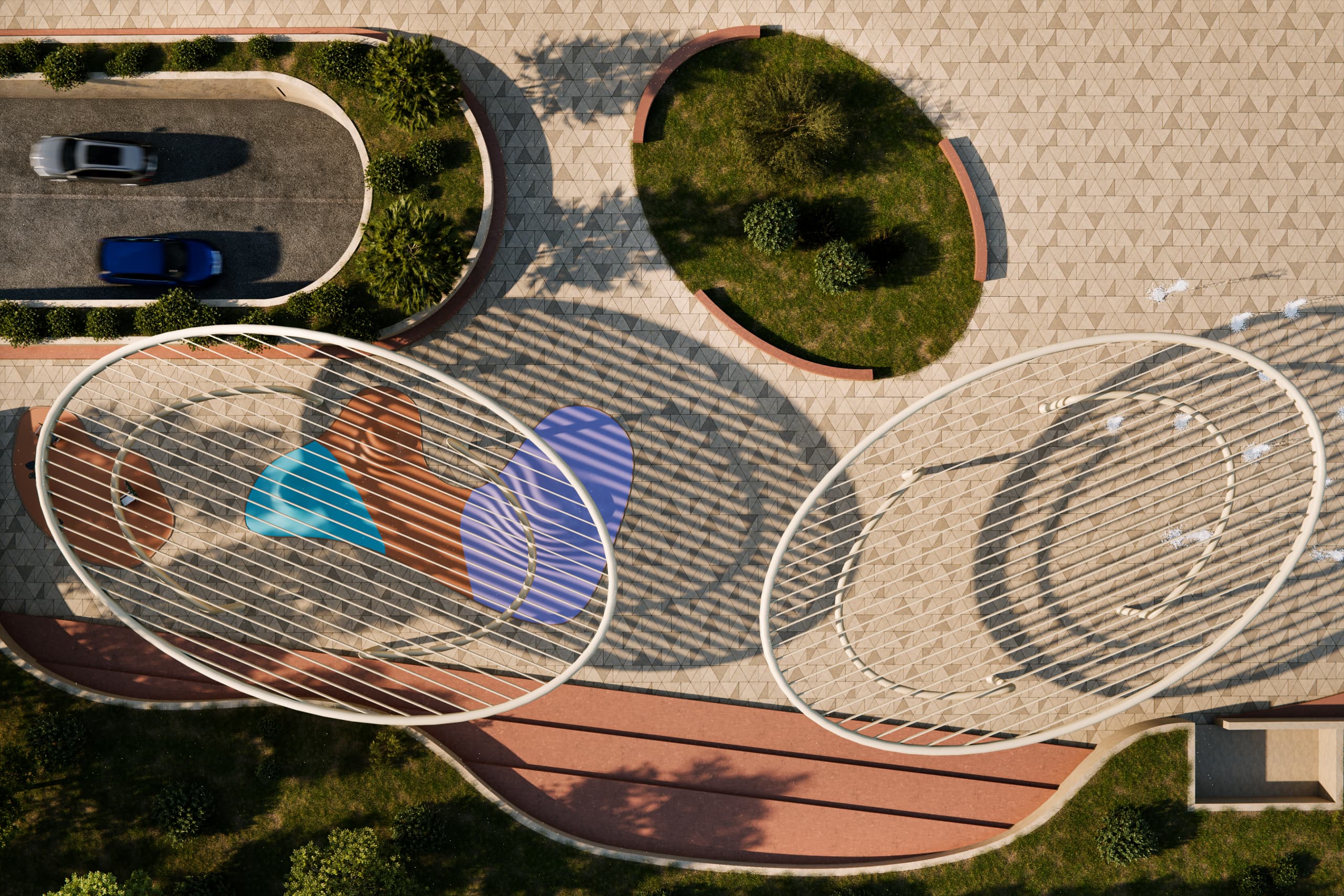
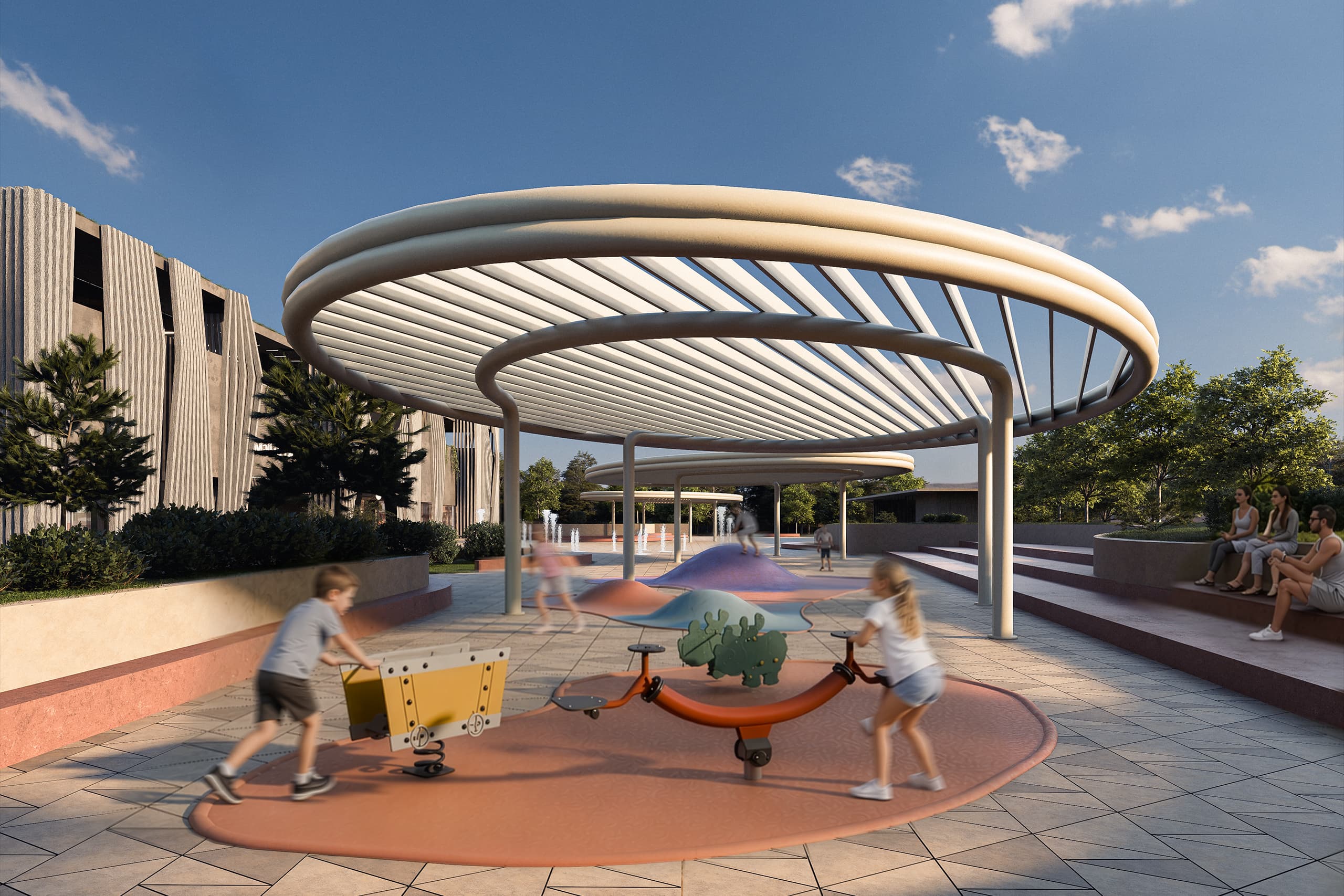
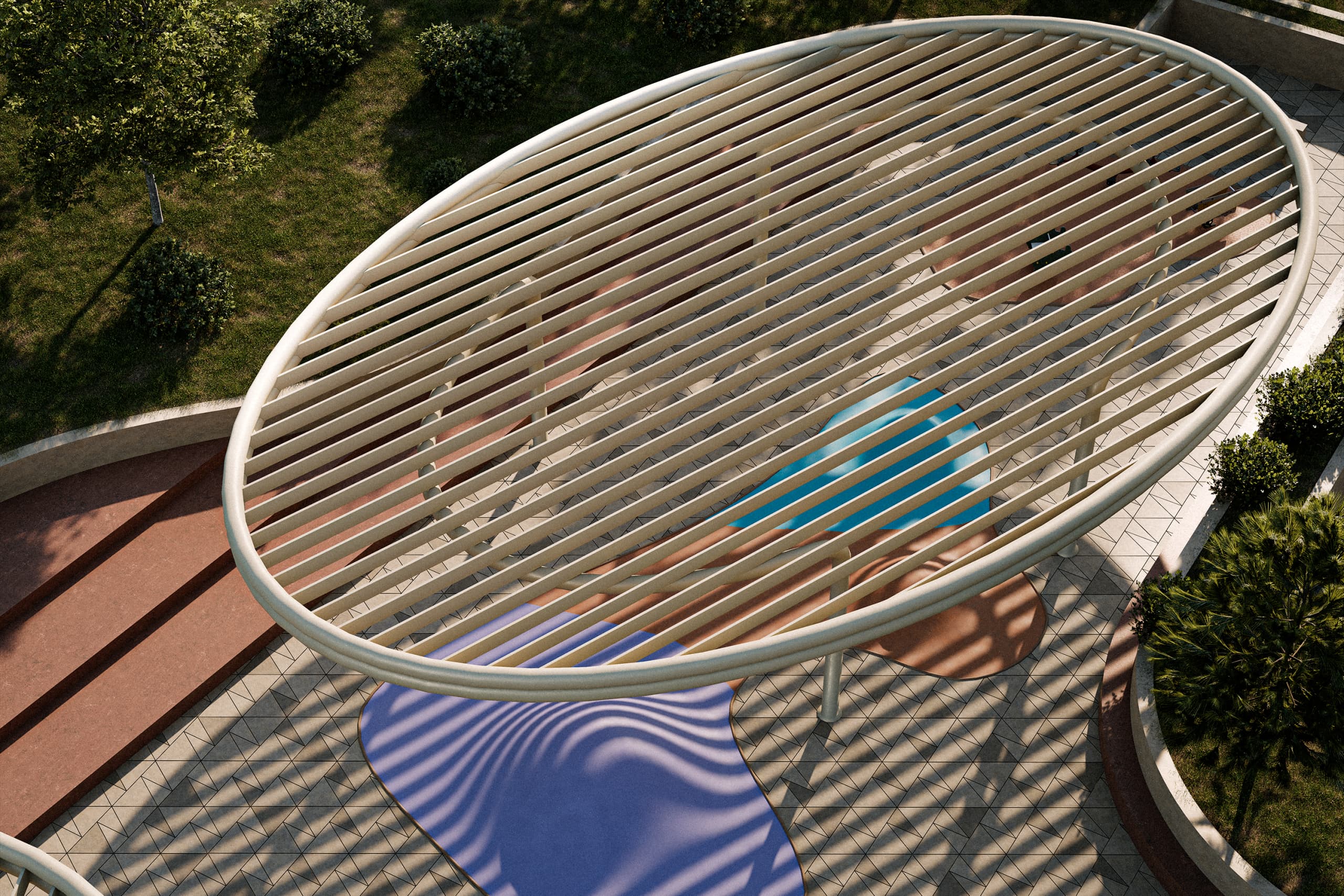
The square is designed as a multifunctional public platform intended for gathering, recreation, and social interaction. Large oval pergolas provide shade and define the spatial identity of the plaza, while interactive fountains and green islands create comfortable microclimatic zones.
Cascading seating areas support informal gatherings and outdoor events, while children’s play zones are carefully integrated near hospitality areas to ensure comfort and safety for families.
The square becomes the social heart of the development — a flexible urban space where commerce, culture, and everyday life intersect.
Urban Connection
The project creates strong connections with its urban surroundings through open pedestrian flows, transparent ground-floor spaces, and an accessible public square positioned at the center of the complex.
The cultural pavilion directly addresses both the central plaza and Cetinjski Put boulevard, strengthening the relationship between public activity and the city. Underground parking beneath the entire site allows the ground level to remain dedicated primarily to pedestrians and public use.
Vision
The project envisions a contemporary urban destination that redefines the role of commercial architecture within the city. Instead of relying on visual excess and commercial spectacle, the complex builds its identity through carefully articulated volumes, climatic responsiveness, and a refined architectural language.
The shopping center becomes an urban emblem — a recognizable landmark within the cityscape that attracts not only visitors, but also cultural activity, public events, and international brands seeking architecturally distinctive environments. Simultaneously, the project establishes a new civic focus for the surrounding neighborhood, creating spaces that support everyday social life as much as commercial activity.
The overall vision is rooted in the synthesis of architecture, landscape, climate, and public space into a cohesive contemporary environment that reflects both the urban ambitions and natural identity of Montenegro.